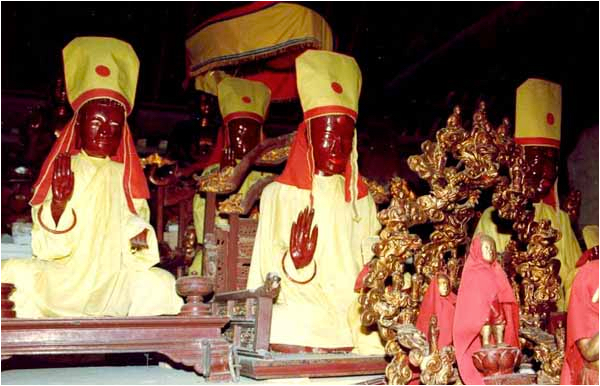
Đại Bi Pagoda
Hưng Yên(Chùa Đại Bi)
Overview & history
Đại Bi Pagoda may refer to:
Đại Bi Pagoda (Bắc Ninh) in Thượng village, Hạp Lĩnh ward, Bắc Ninh province.
Đại Bi Pagoda (Gia Bình) in Nhân Thắng commune, Bắc Ninh province.
Đại Bi Pagoda (Xuân Lai) in Xuân Lai hamlet, Đa Phúc commune, Hanoi city. The pagoda belongs to the Northern School (Bắc tông) tradition.
Đại Bi Pagoda (Ninh Hiệp) in hamlet 8, Ninh Giàng village, Phù Đổng commune, Hanoi city.
Đại Bi Pagoda (Mỹ Đức) in Kim Bôi hamlet, Hương Sơn commune, Hanoi city.
Đại Bi Pagoda (Tứ Kỳ) in Ngọc Lâm hamlet, Tân Kỳ commune, Hải Phòng city.
Đại Bi Pagoda (Vũ Thư) in Thái Bình ward, Hưng Yên province.
Đại Bi Pagoda (Bạch Hạc) in Thanh Miếu ward, Phú Thọ province.
Đại Bi Pagoda (Nam Trực) in Nam Trực commune, Ninh Bình province.
Đại Bi Pagoda (Thanh Hóa), also known as Mật Pagoda, on Mật Sơn mountain, Hạc Thành ward, Thanh Hóa province.
Đại Bi Pagoda (Cát Quế) in Dương Hòa commune, Hanoi city. The pagoda dates from the late Trần dynasty.
Đại Bi Pagoda (Mậu Lương) in Kiến Hưng ward, Hanoi city.
Đại Bi Pagoda (Yên Duyên) in Hoàng Mai ward, Hanoi city.
The formal name (tên chữ) of Kim Liên Pagoda in Nghi Tàm village, Tây Hồ ward, Hanoi city.
The formal name of Sét Pagoda, in Hoàng Mai ward, Hanoi city.
The formal name of Bối Khê Pagoda, Tam Hưng commune, Hanoi city.
The name of the pagoda within the Sóc Temple heritage site, Sóc Sơn commune, Hanoi city.
Meaning of the term đại bi
Currently, there are two opinions regarding the meaning of the term đại bi:
Bi means 'Bia' (stele), referring to a pagoda that has a large stone stele, as in Kim Liên Pagoda in Hanoi.
Bi as in the Four Immeasurables: loving-kindness, compassion, sympathetic joy, and equanimity (Tứ vô lượng từ bi hỷ xả), expressing "the Buddha's boundless compassion for humanity", as in the Great Compassion Mantra (Chú đại bi).
It is also possible that each pagoda has a different intended meaning.
Photos
📷 Contribute photosVisiting tips
- Dress modestly; remove hats and keep quiet inside the main hall.
- Incense, flowers and offerings are usually sold right outside the gate; light an odd number of sticks (1 or 3).
- Most pagodas open from early morning to evening and are free to enter (some major sites charge a small scenic fee).
- Full-moon days, the 1st of the lunar month and Tet are very crowded; visit on weekday mornings for a quiet experience.
- Ask permission before photographing inside shrines; do not touch statues or altar objects.
Read more & references
Useful links to learn more before your visit:
Location
Coordinates: 20.99747, 106.08194
🧭 Directions on Google MapsReferences
Other pagodas in Hưng Yên